Project 02 · 2025 · Installation
Hecho en Palestina
Food sovereignty and occupation
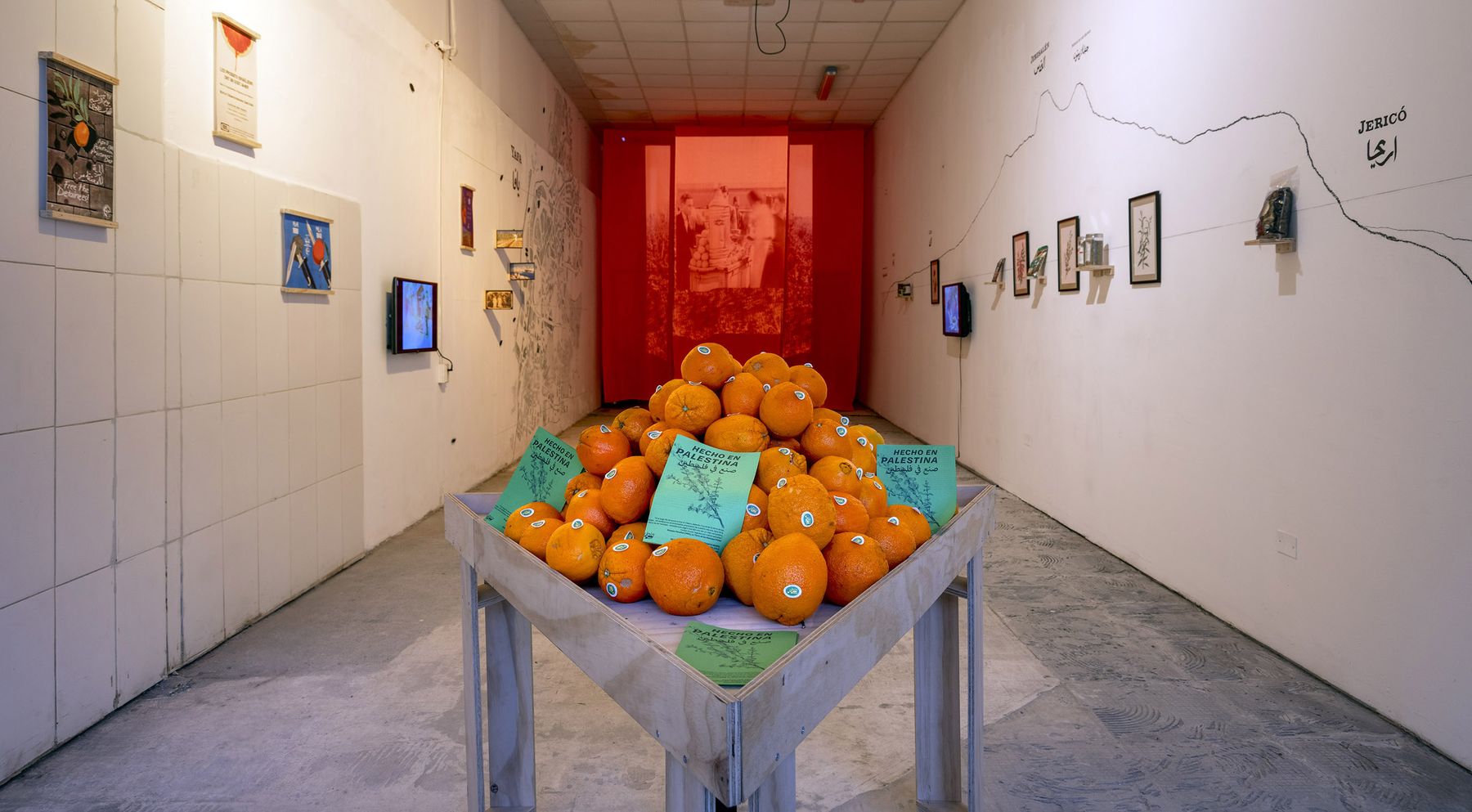
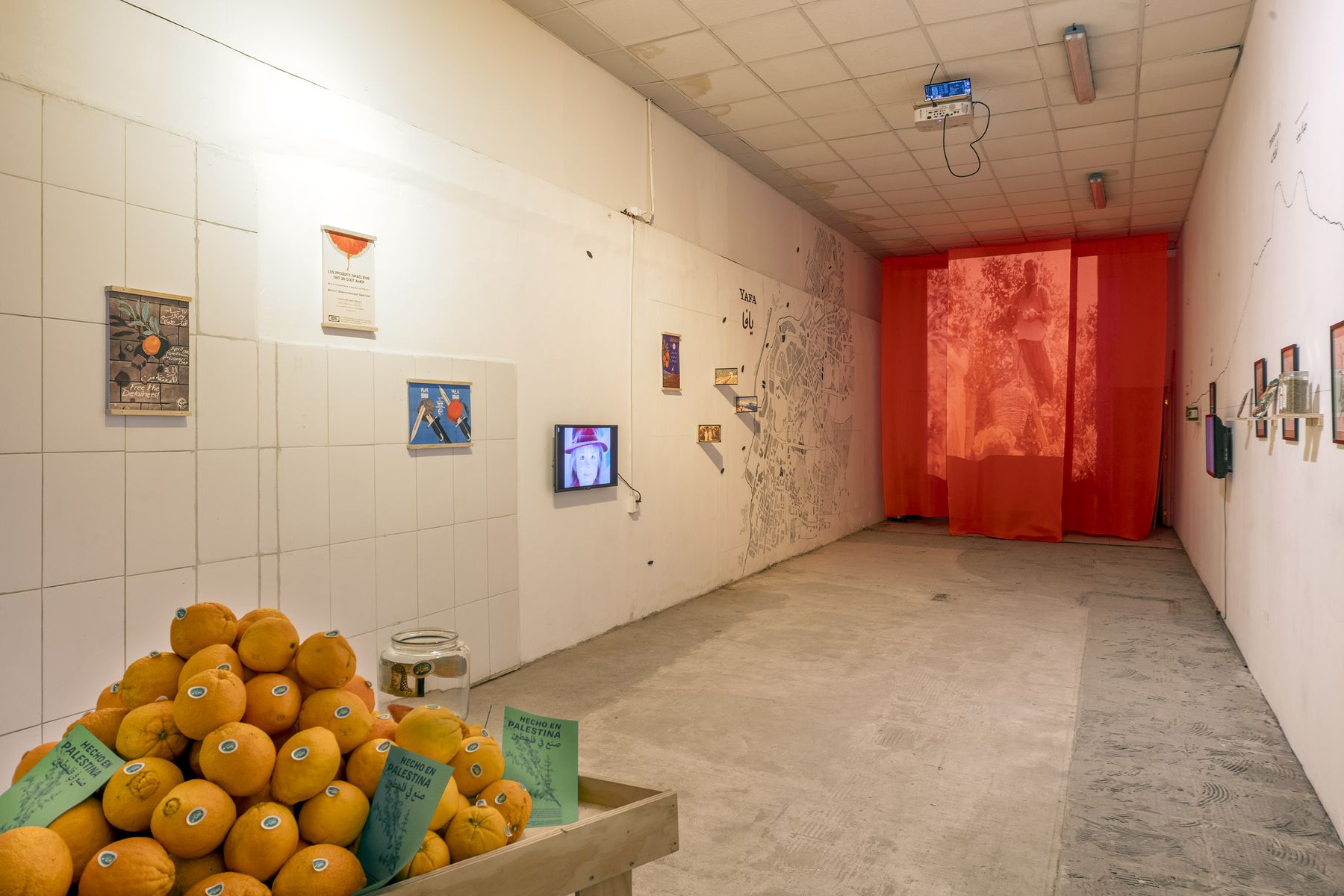
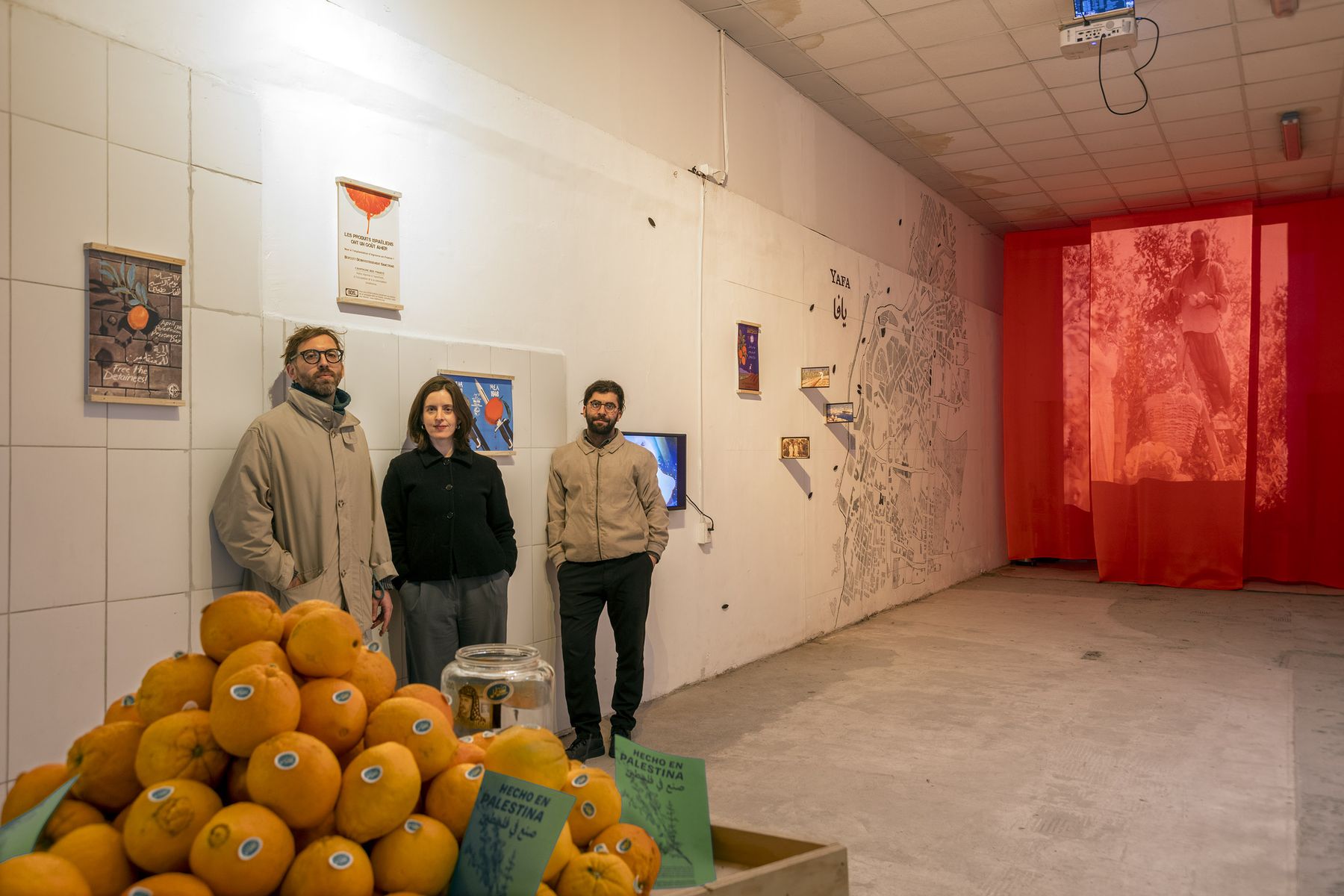
Hecho en Palestina (Made in Palestine) is an installation that explores the systematic loss of Palestinian food sovereignty through everyday objects, images and records taken from the shops of the Patronato neighbourhood. Through food, packaging, botanical drawings and documentary photography, the exhibition offers a critical reading of the less visible forms of occupation and territorial control imposed on Palestine.
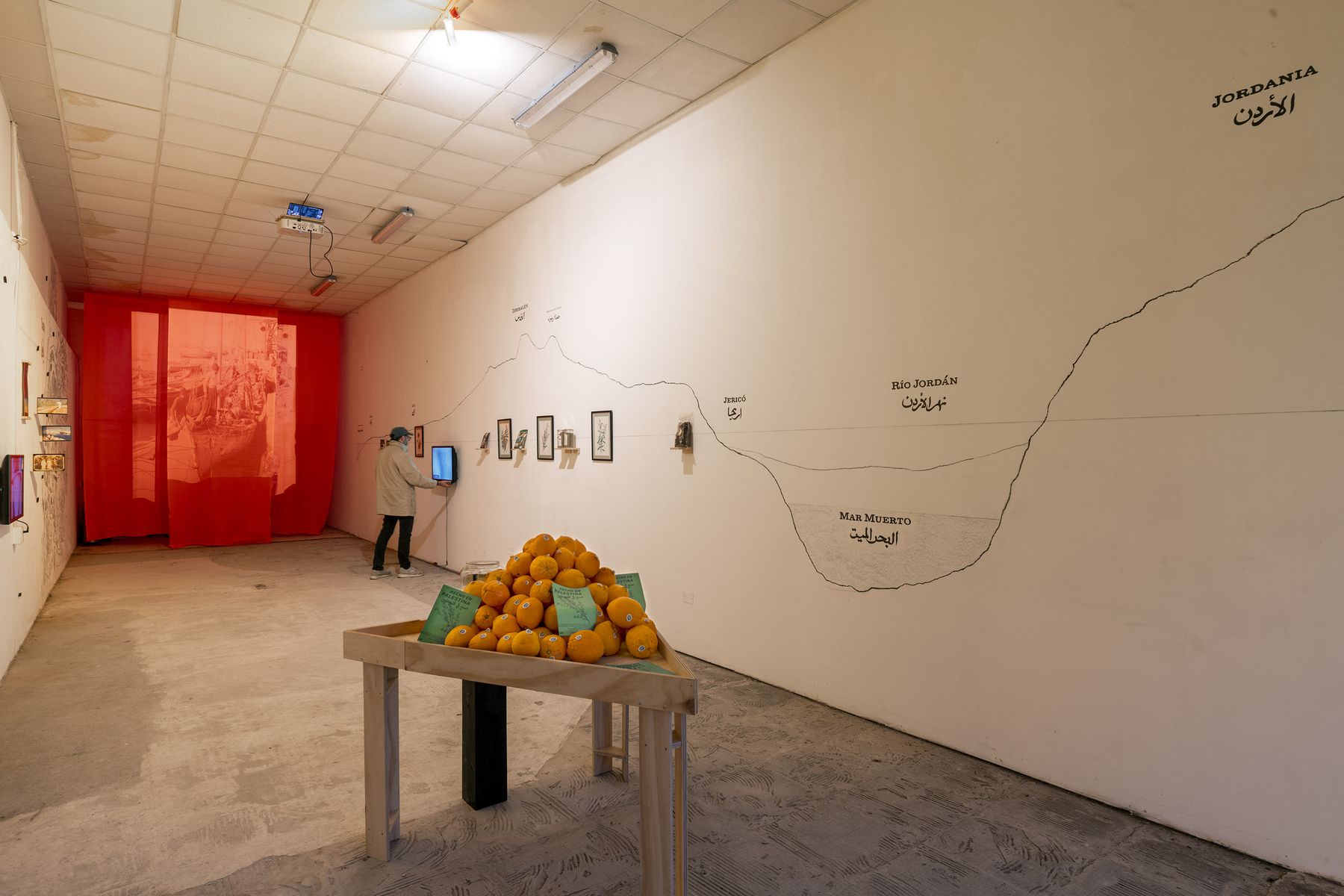
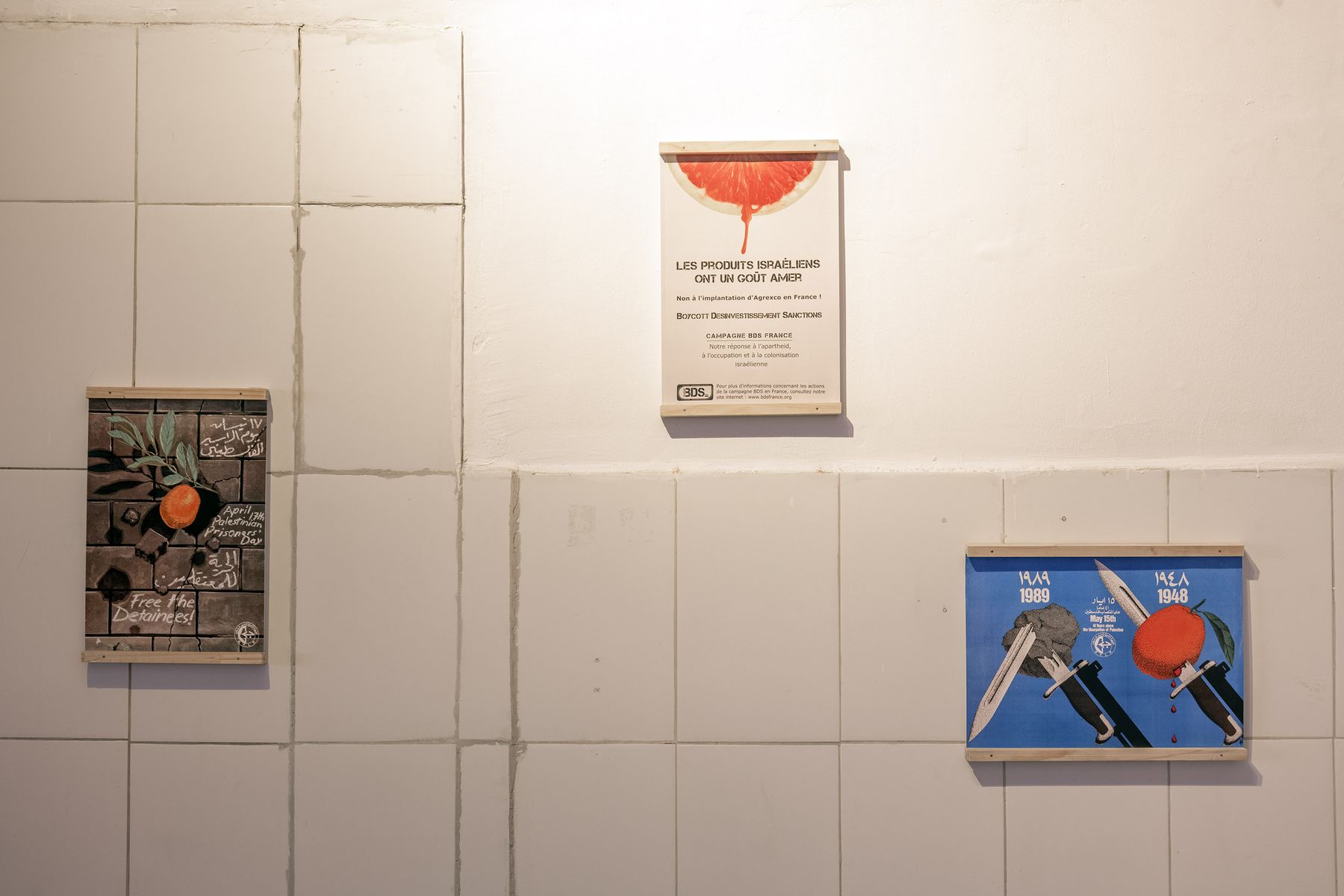
The exhibition starts from products that circulate freely in markets and grocery stores —spices, preserves, fruit, canned goods— to observe how their labels, ingredients and designations of origin reveal mechanisms of cultural erasure and semiotic domination. In this context, packaging is no longer a neutral object: it becomes a political device capable of hiding territories, censoring histories and severing the ties between food, memory and origin.
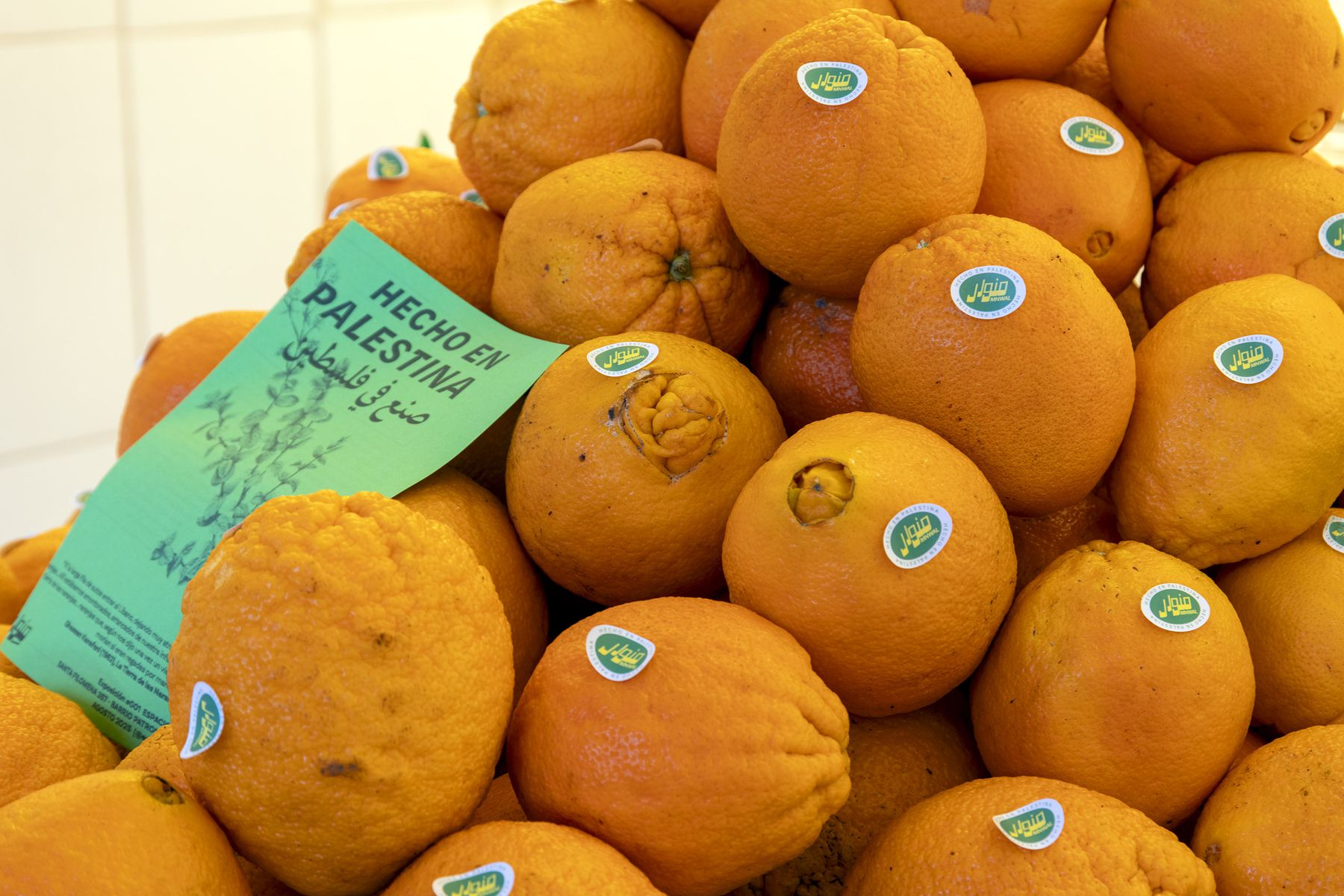
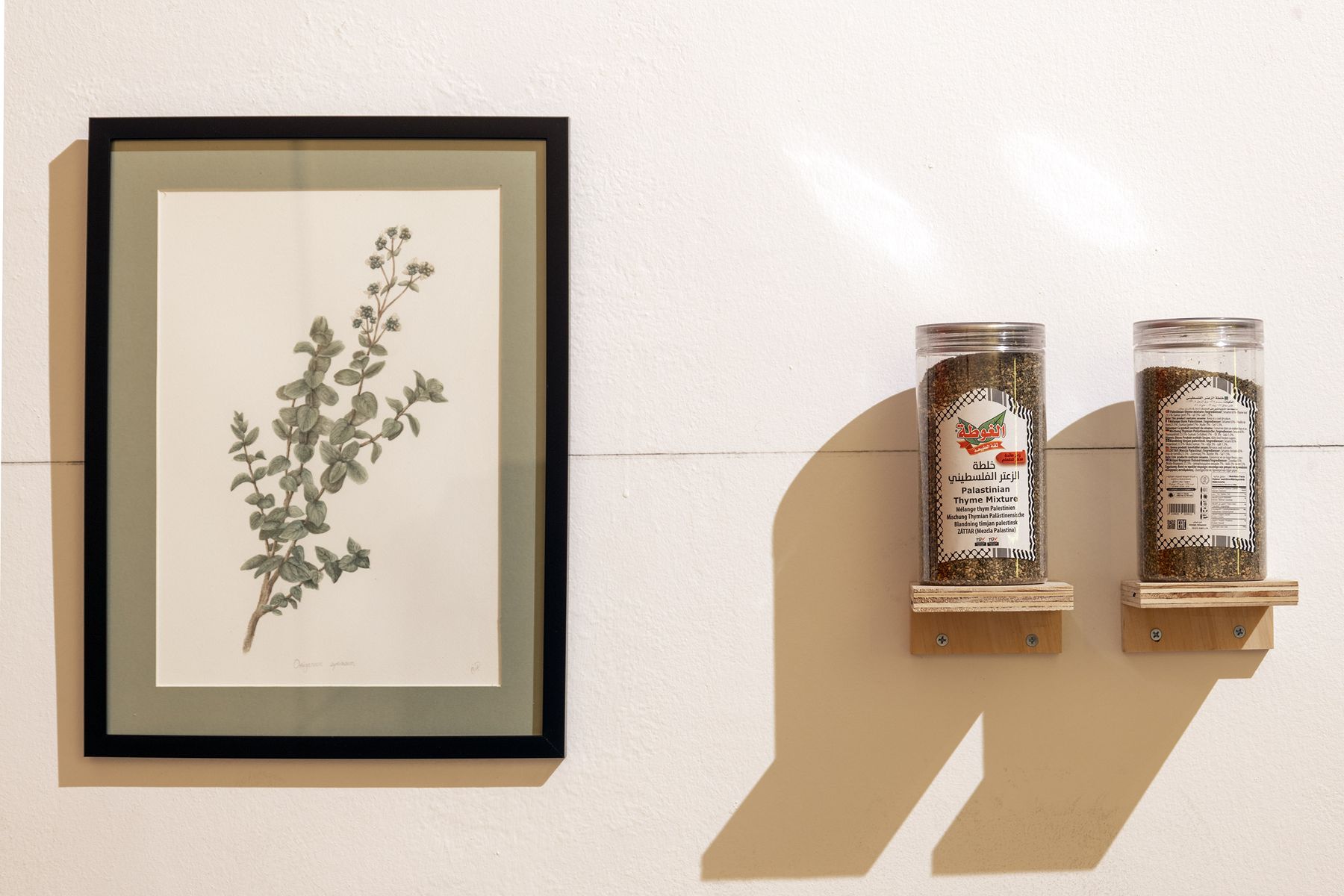
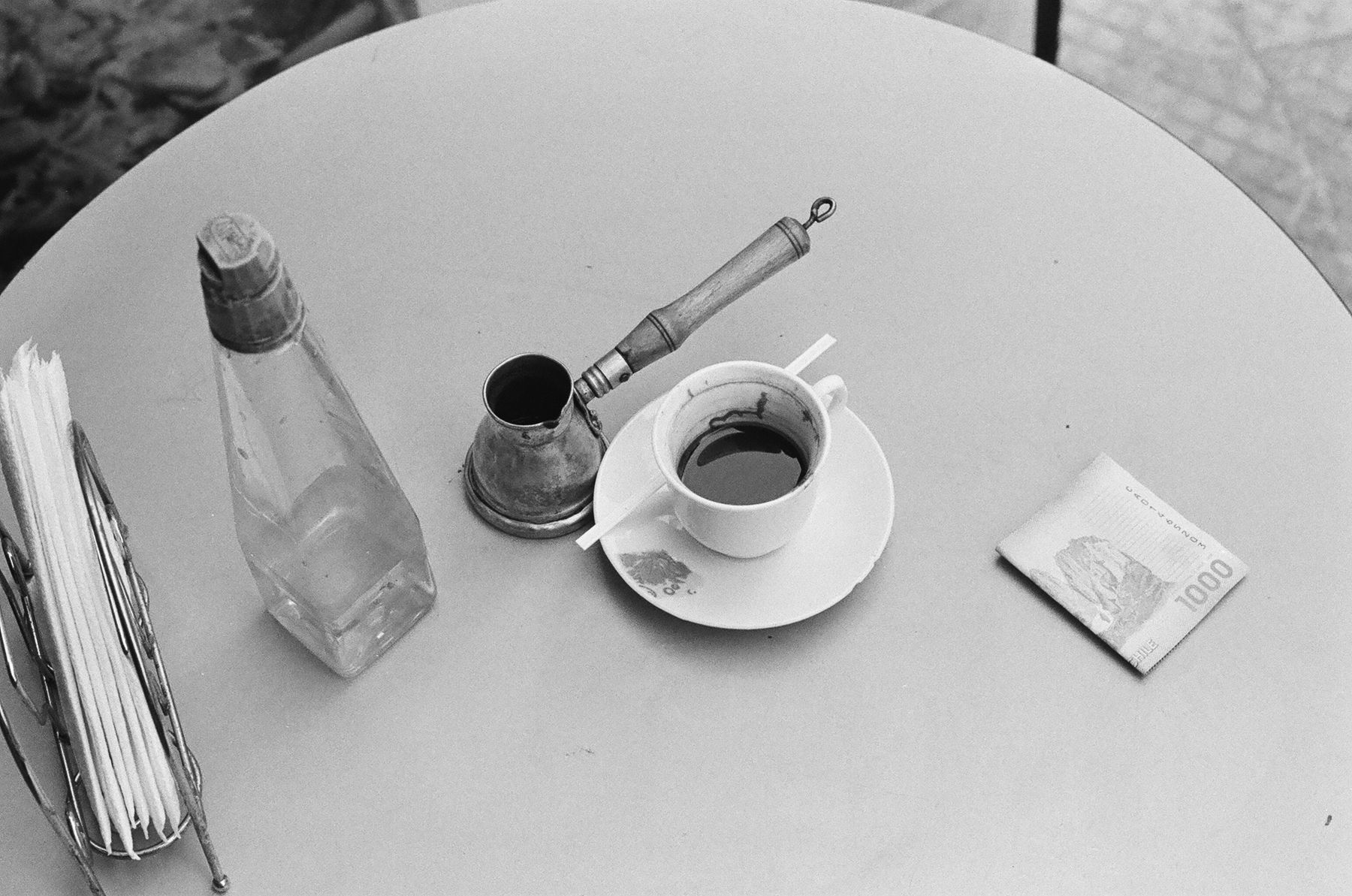
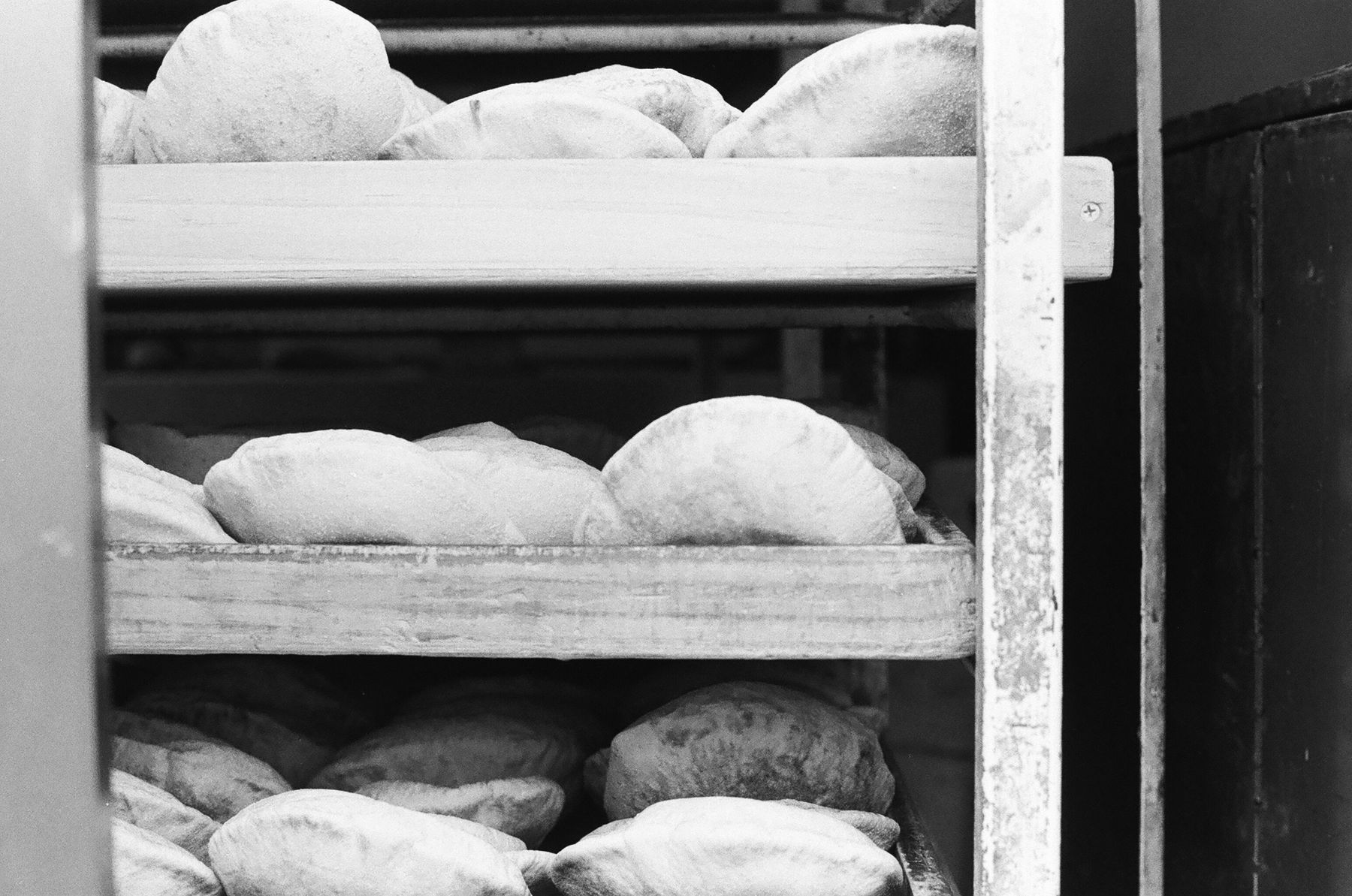
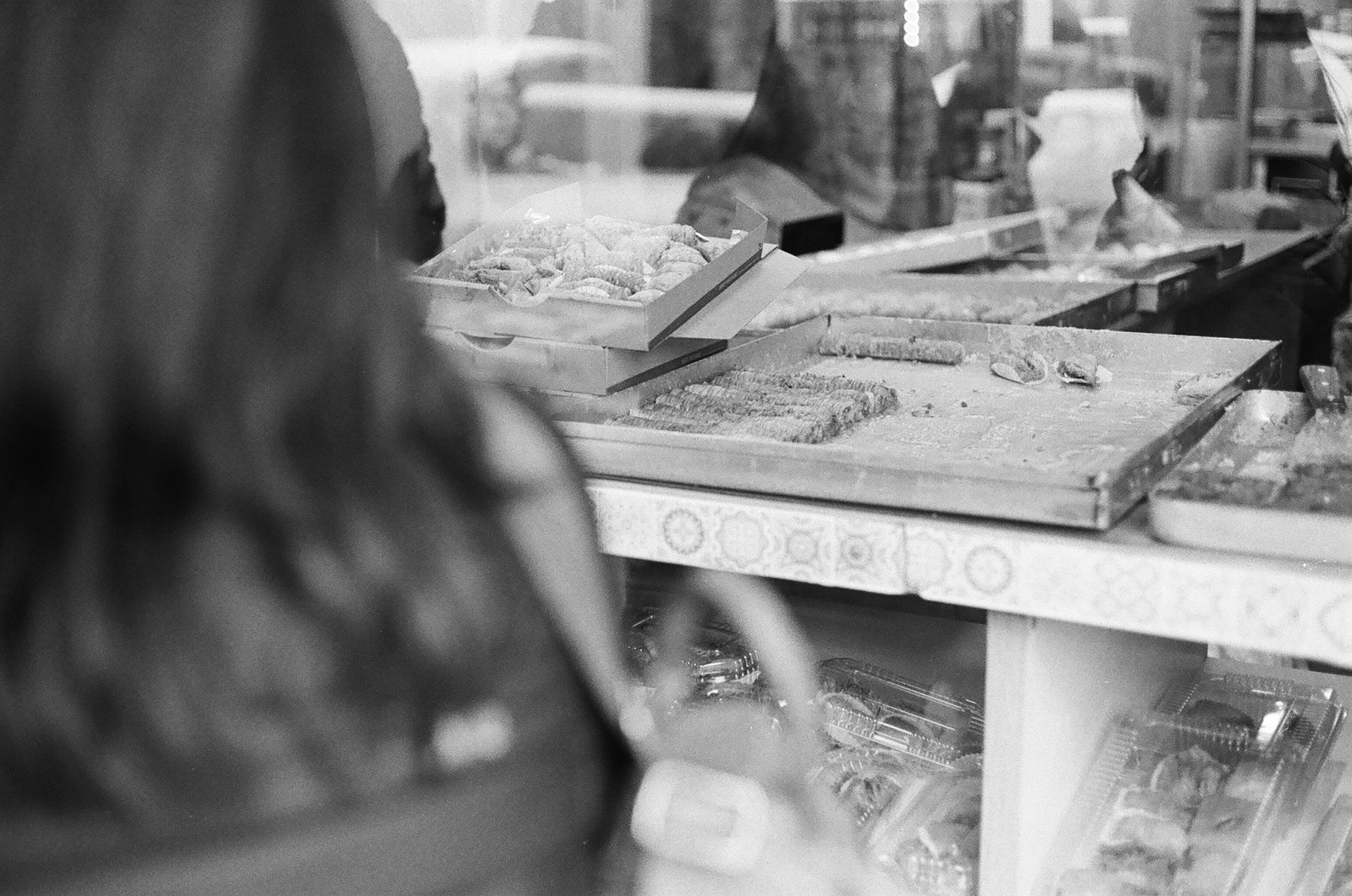
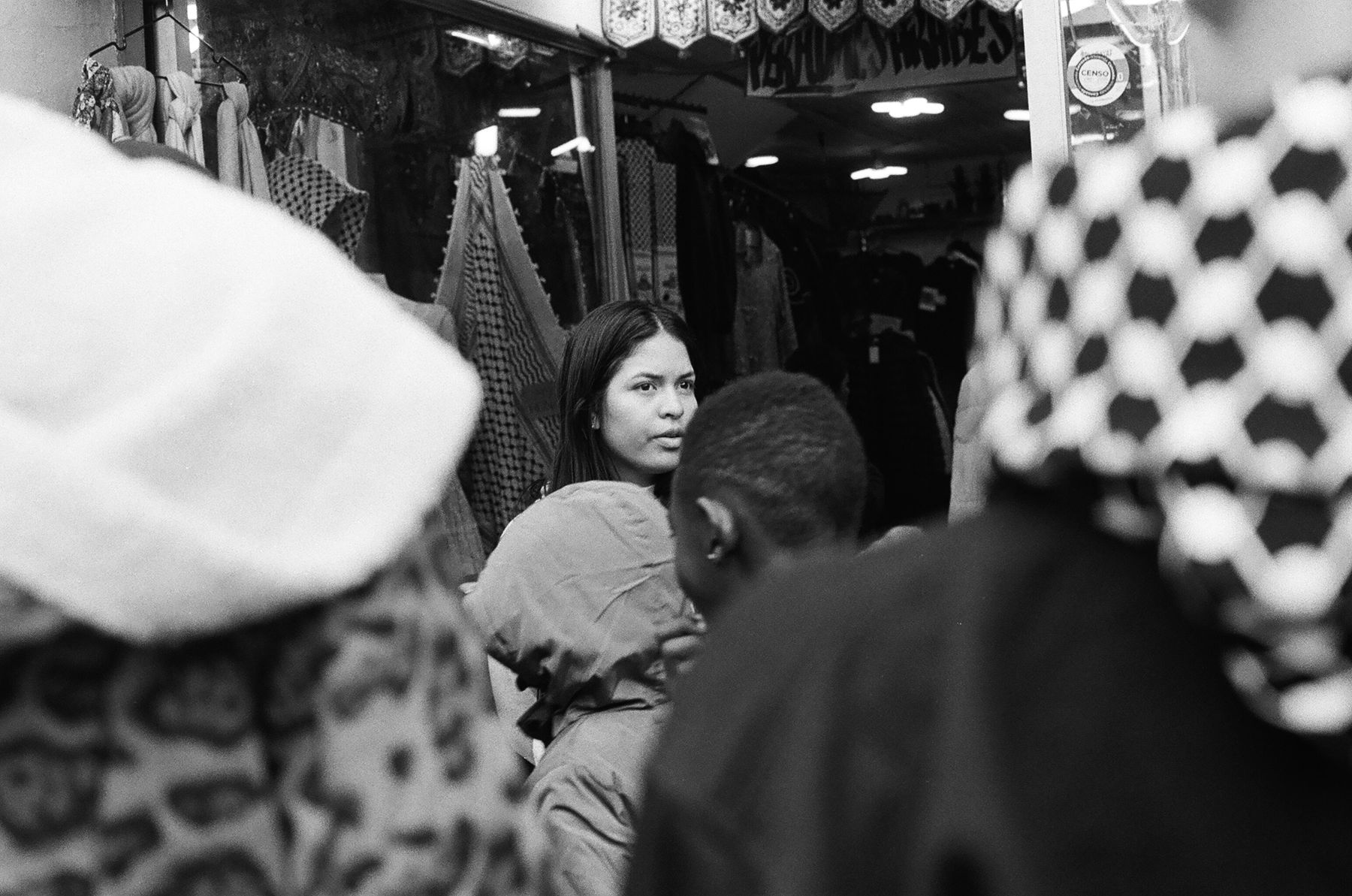
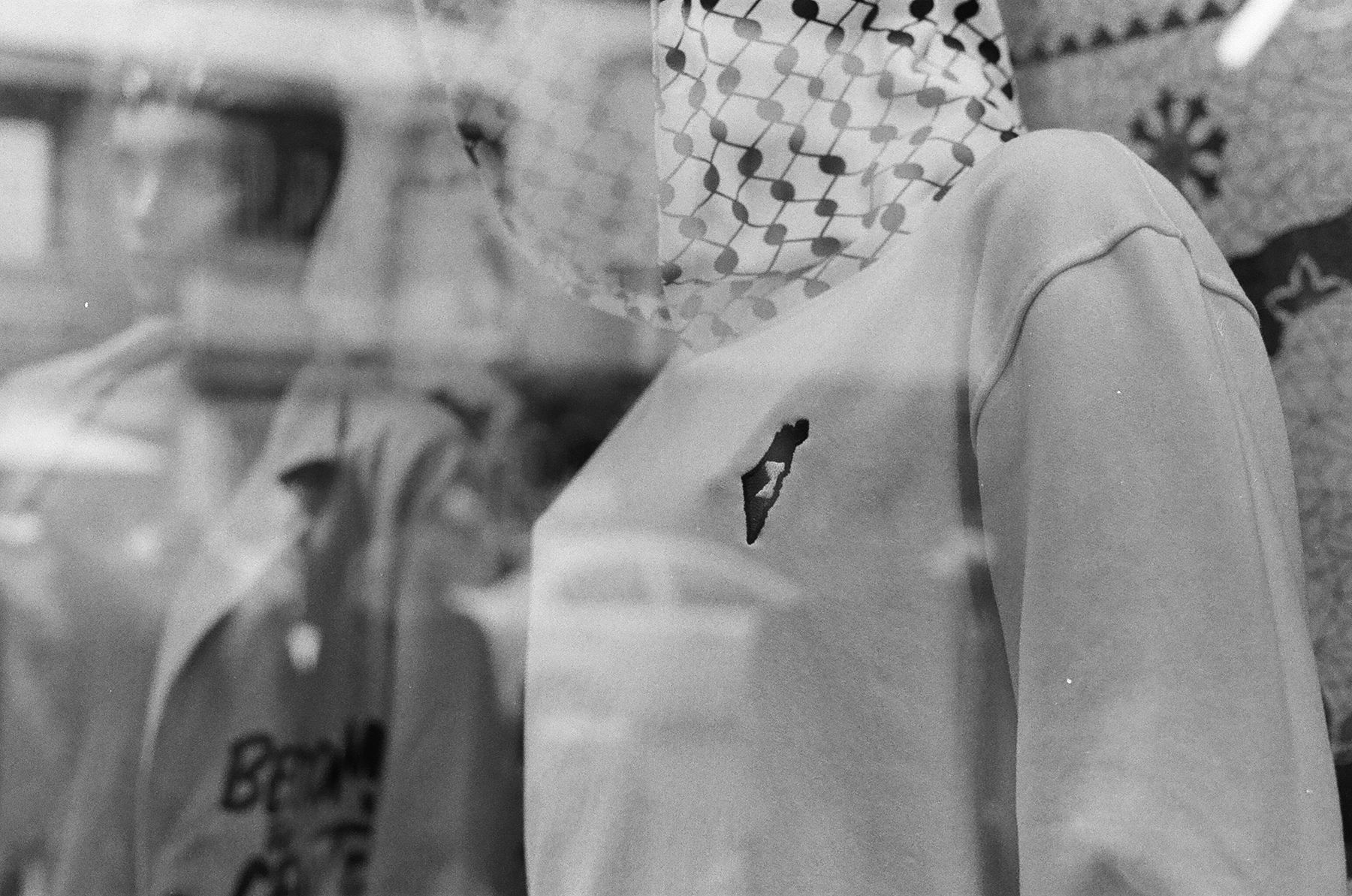
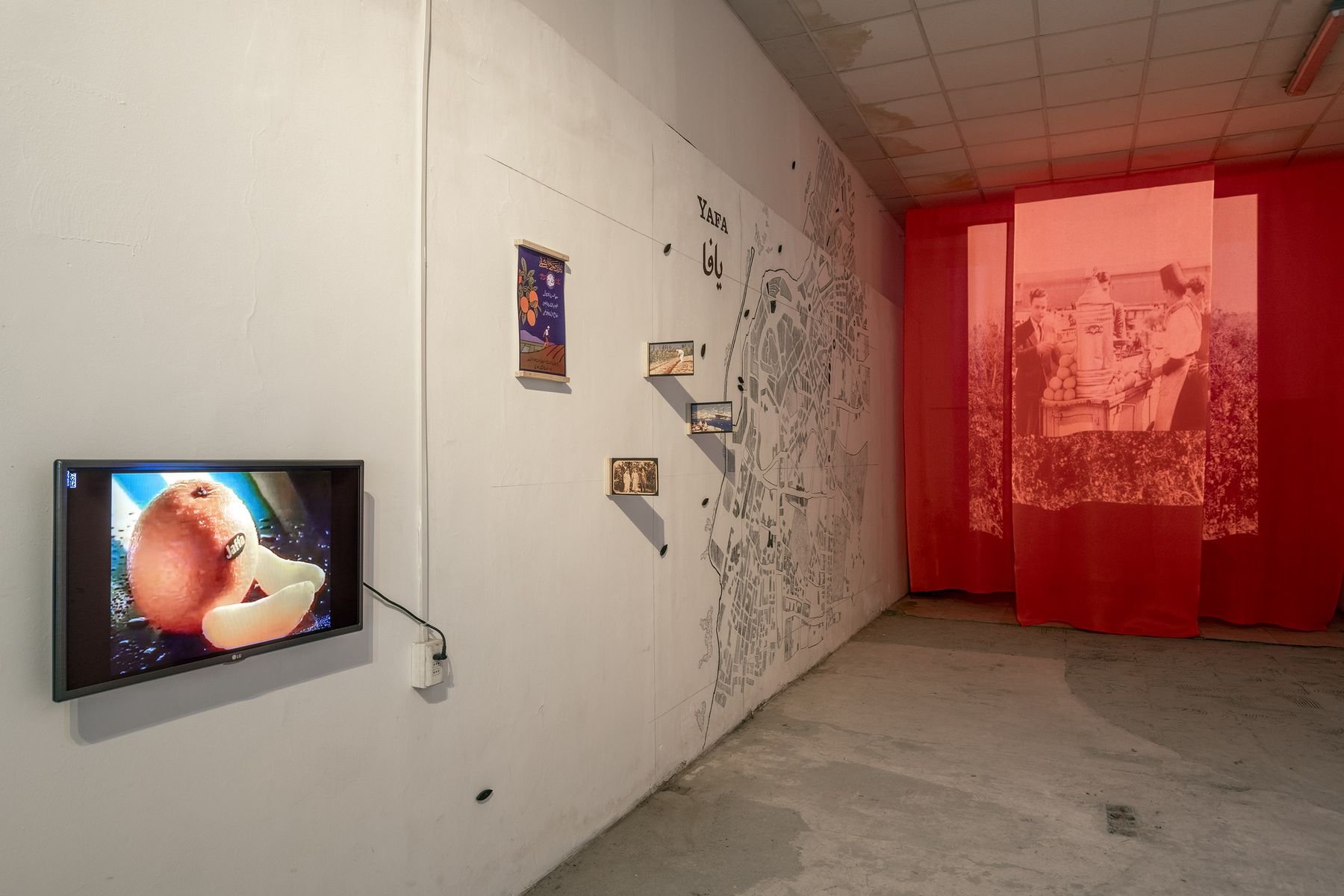
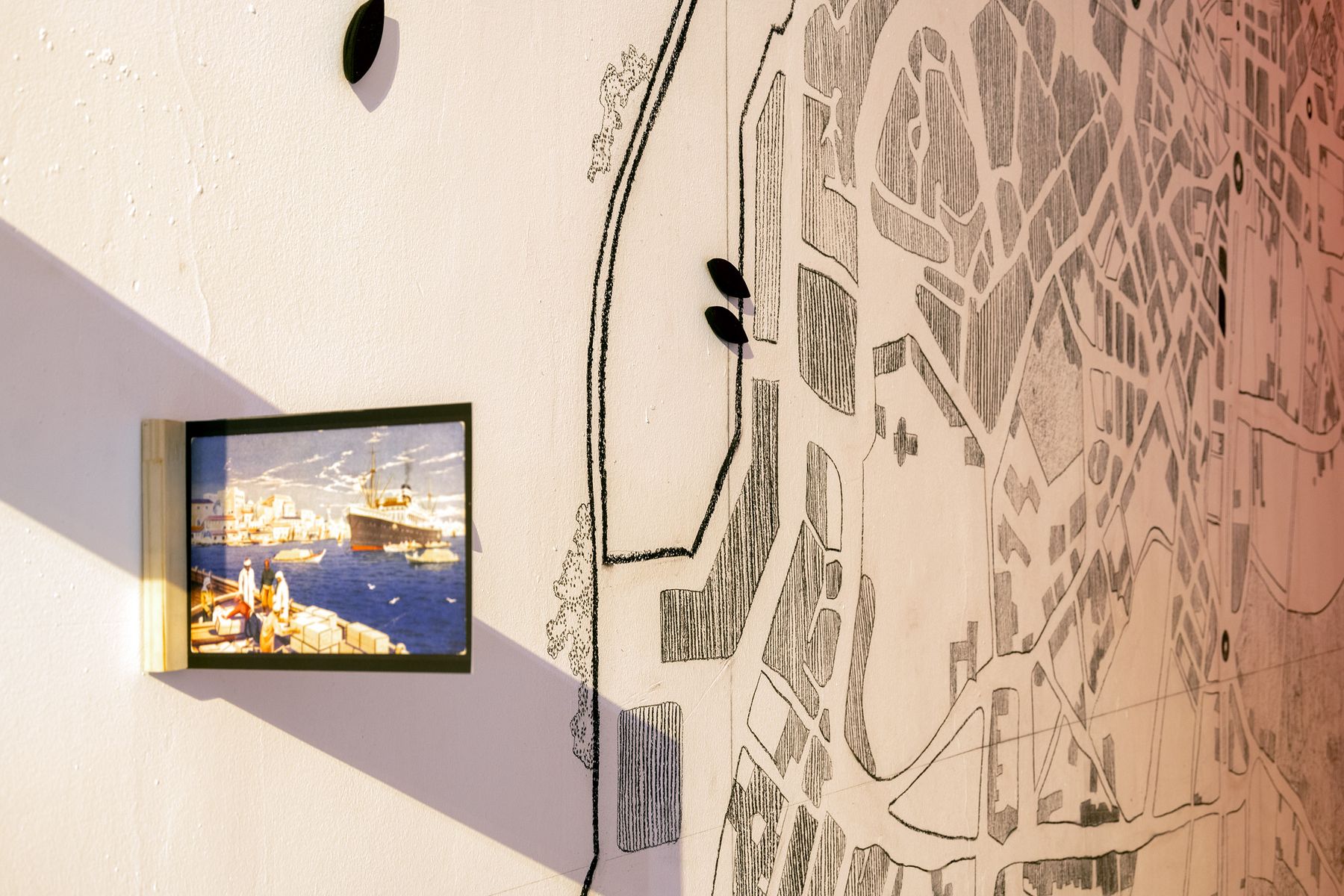
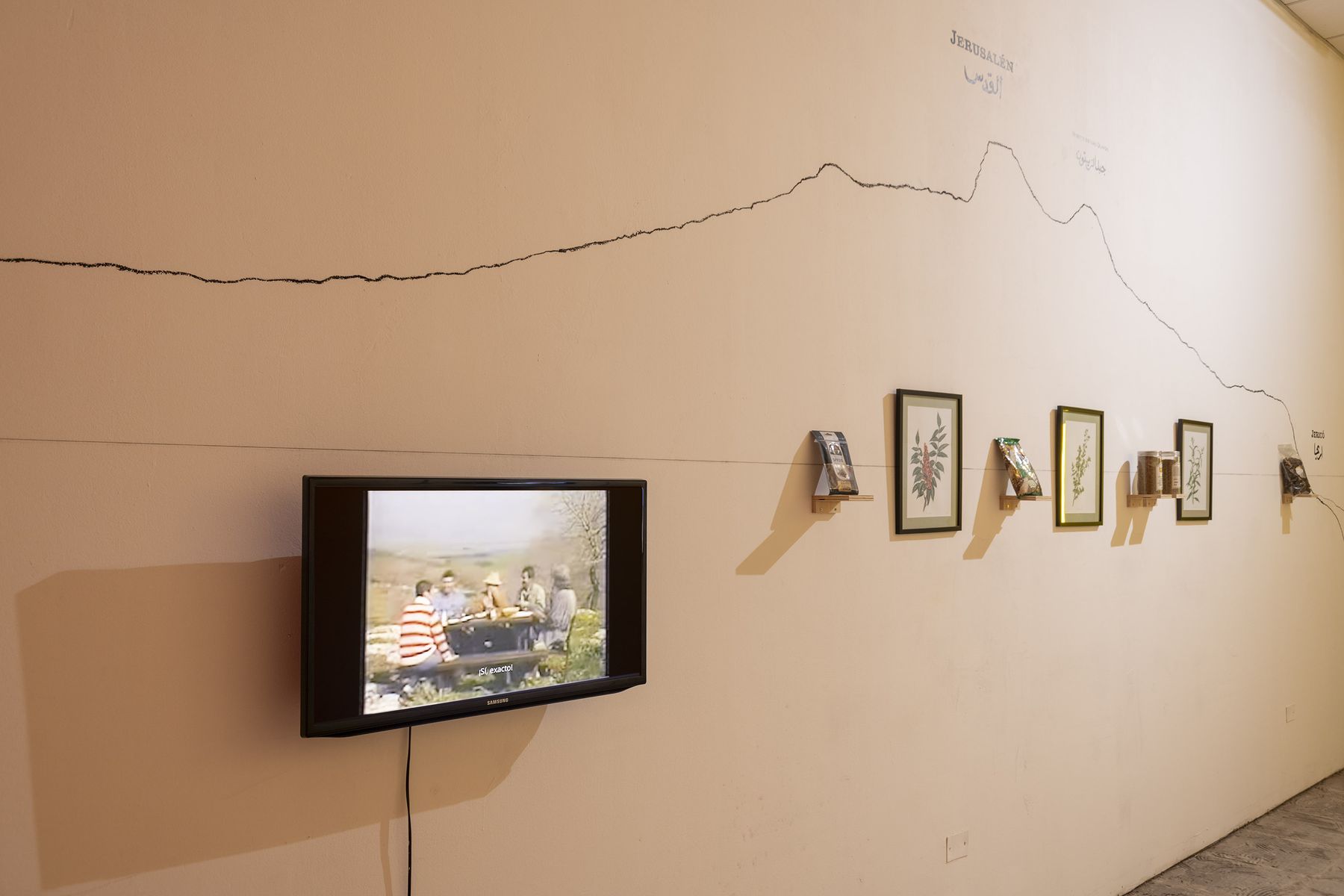
The installation is built in three visual and material layers: analogue photographs of everyday exchanges in the Patronato neighbourhood; botanical drawings of plants native to Palestine such as akkoub, khubeiza, sumac, fig and orange; and a selection of commercial products reworked through their graphic and symbolic dimension. These elements are laid out over topographic and territorial maps of historic Palestine, tracing a direct link between geography, agriculture and dispossession.
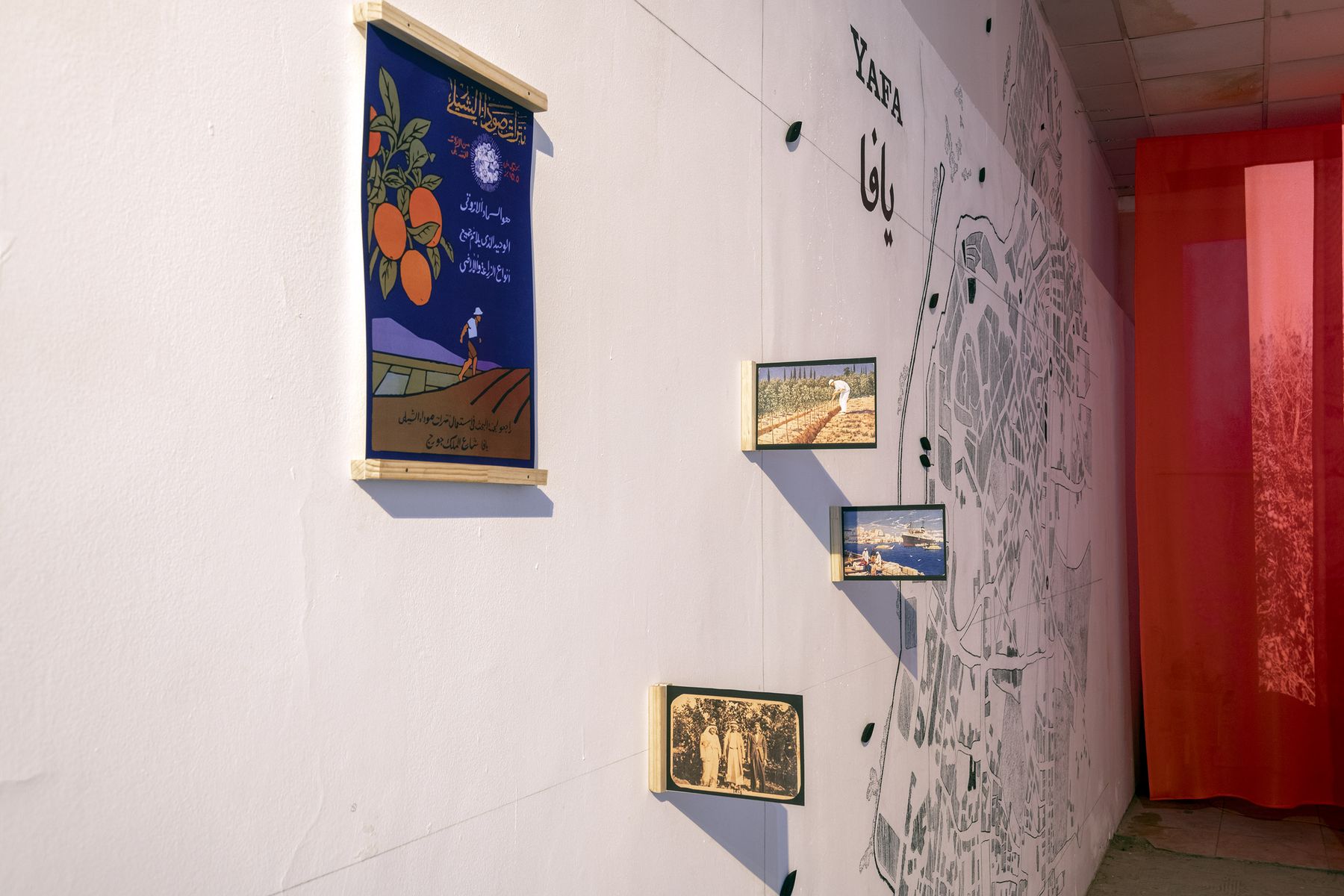
Hecho en Palestina understands food sovereignty not only as the right to access food, but also as the possibility of sowing, saving seeds, passing on knowledge and sustaining cultural practices tied to the land. In the face of policies of occupation, extraction and control of natural resources, the exhibition proposes looking and consuming as a political practice.
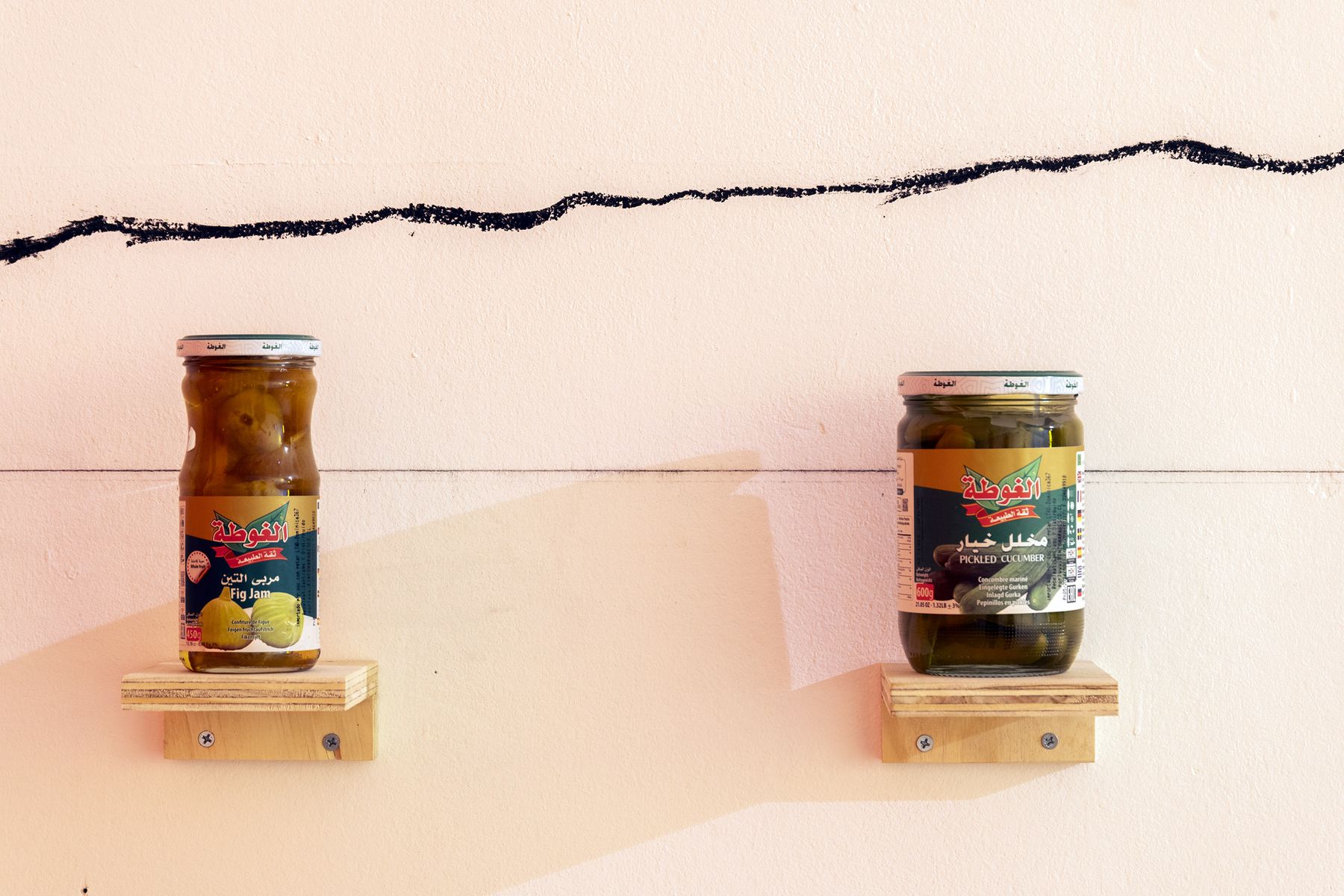
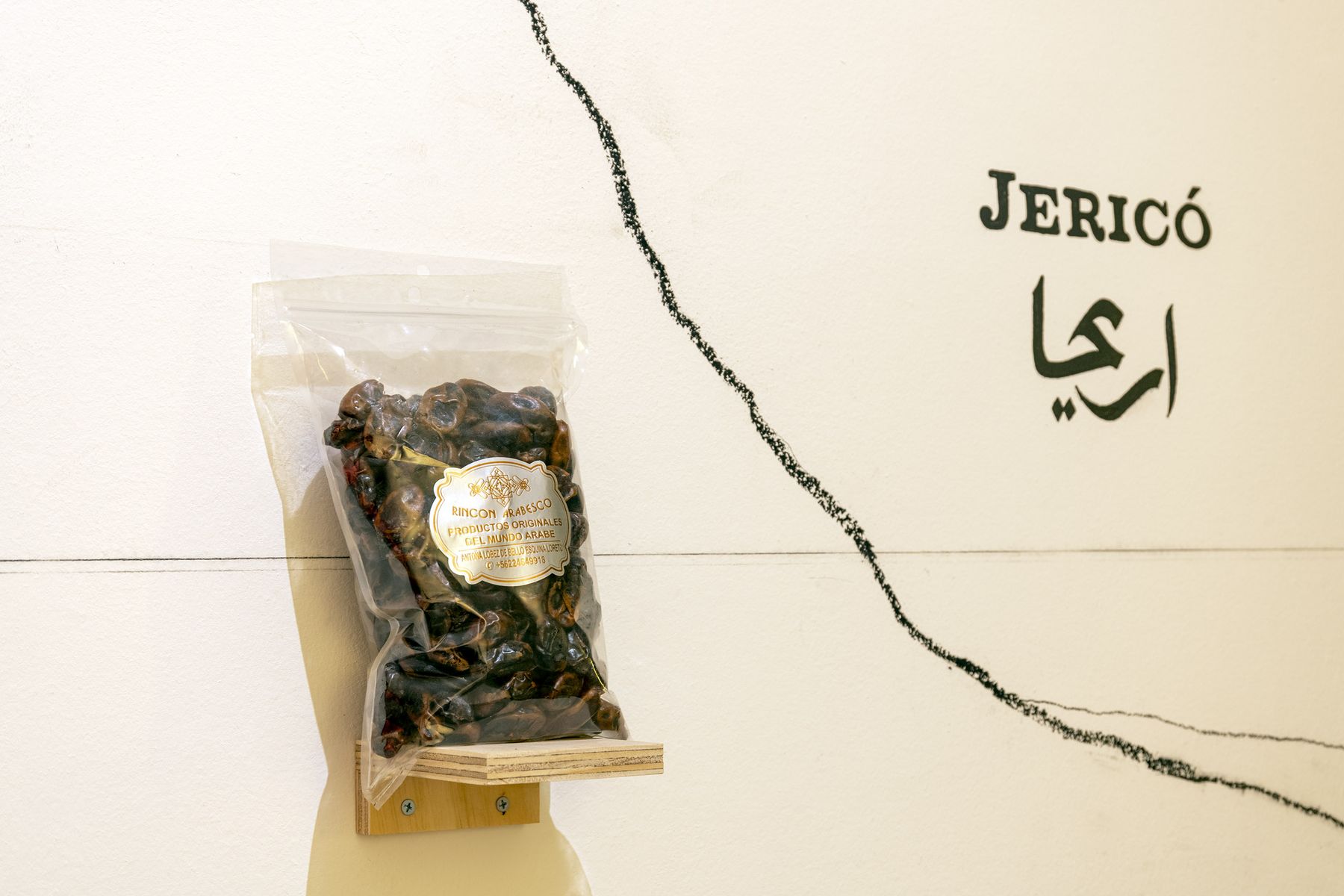
The Patronato neighbourhood appears here as a key space: a territory shaped by migrant memories, trade and cultural exchange, where Palestinian goods continue to carry identity and resistance. The exhibition does not seek to offer closed answers, but to open questions about what remains hidden behind the everyday, and about the ways in which art can restore political complexity to the objects we consume every day.
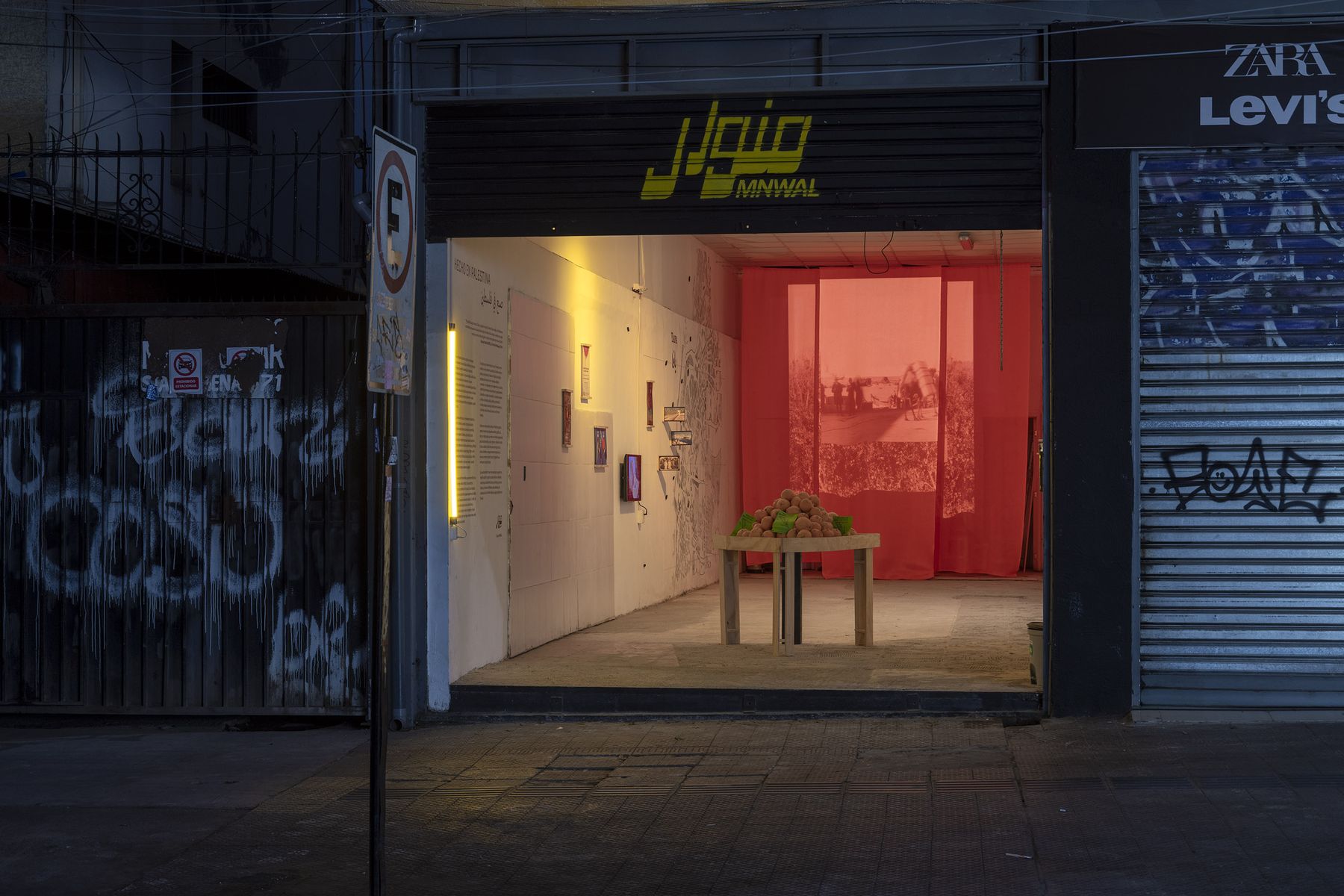
More than an exhibition about food, Hecho en Palestina is a reflection on territory, memory and Palestinian cultural persistence. Each object on display stands as evidence of a history marked by displacement, but also by the capacity to resist, to preserve and to bloom again.